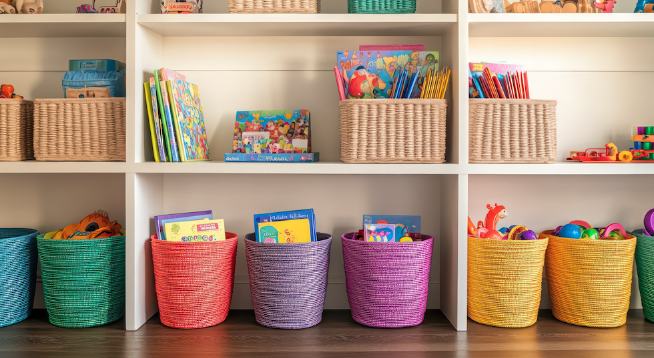
7 Genius Tips for Effortless Playroom Organisation: Transform Chaos into Creativity!
7 Genius Tips for Effortless Playroom Organisation: Transform Chaos into Creativity!
Is your playroom bursting at the seams with toys, yet the creativity seems to be lost in the chaos? You’re not alone! Many parents grapple with disorganised play spaces that morph into overwhelming messes rather than the inspiring creative hubs they were intended to be. Imagine a playroom where everything has its place, inspiring your little ones to unleash their imagination not only through play but also in helping to maintain order. In this article, we’ll unveil 7 genius tips for effortless playroom organisation that will turn your cluttered chaos into a vibrant oasis of creativity. From clever storage solutions to easy-to-implement routines, these strategies will empower you to reclaim the playroom while fostering independence in your children. Say goodbye to the frustration of stepping on hidden Lego blocks and hello to a beautifully organised space that sparks joy and creativity! Let’s dive in and transform your playroom today!
The Importance of a Well-Organised Playroom
A well-organised playroom is more than just a tidy space; it is a sanctuary where creativity and imagination can flourish. Children thrive in environments that are not only safe but also stimulating, and a clutter-free playroom provides just that. When toys and materials are easily accessible and well-organised, kids can engage in play more deeply and for longer periods. This leads to richer, more imaginative play experiences that are essential for cognitive and emotional development.
Moreover, an organised playroom teaches children valuable skills such as responsibility and independence. When everything has its place, kids learn to respect their belongings and understand the importance of putting things away after use. This sense of order can spill over into other areas of their lives, making them more organised and responsible individuals. These life skills are crucial and will benefit them long beyond their childhood years.
For parents, a well-organised playroom reduces stress and makes it easier to manage the household. Instead of spending countless hours searching for missing pieces or cleaning up scattered toys, parents can enjoy more quality time with their children. The playroom becomes a harmonious space where both parents and kids can enjoy their time together, fostering stronger family bonds. By transforming chaos into creativity, an organised playroom becomes a joyful and productive part of the home.
Assessing Your Playroom Space: A Step-by-Step Guide
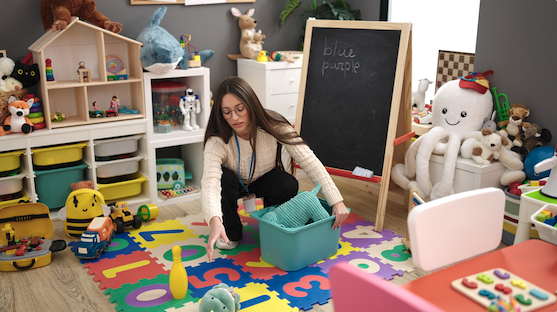
Before diving into organising, it's essential to assess your playroom space thoroughly. Start by observing how your children use the playroom. Notice which areas they gravitate towards and what activities they enjoy the most. This will give you a clear idea of what needs to be prioritised and how to structure the space to cater to their interests and needs.
Next, take an inventory of all the items in the playroom. This includes toys, books, art supplies, and any other materials. Categorise these items into groups based on their use and frequency of use. For example, frequently used toys should be more accessible, while seasonal or less-used items can be stored away. This categorisation will help you determine the type and amount of storage needed.
Finally, evaluate the physical layout of the room. Consider the placement of storage furniture, the amount of natural light, and the overall flow of the space. Aim to create an environment that is both functional and inviting. Think about how you can maximise the space by using vertical playroom storage solutions or multi-functional furniture. By thoroughly assessing your playroom, you can create a well-thought-out plan that makes organising much more effective and sustainable.
Genius Tip 1: Declutter Regularly for a Fresh Start
Decluttering is the first and most crucial step in organising any space, especially a playroom. Begin by setting aside a specific time to go through all the items in the playroom with your children. Encourage them to help you decide which toys they no longer play with or have outgrown. This can be a great opportunity to teach them about the benefits of donating toys to those in need.
Once you have a pile of items to let go of, sort them into categories such as donate, recycle, and throw away. Be mindful of the condition of the toys and books, ensuring that donated items are still in good shape. Decluttering regularly, at least once every few months, prevents the accumulation of unnecessary items and keeps the playroom manageable.
After decluttering, take a moment to appreciate the newfound space in the playroom. This fresh start sets the stage for more efficient organisation and helps maintain a clutter-free environment. It also allows your children to rediscover toys they may have forgotten about, sparking new interest and creativity. Decluttering is not just about making space; it's about creating an environment that fosters joy and imagination.
Genius Tip 2: Use Storage Solutions that Spark Joy
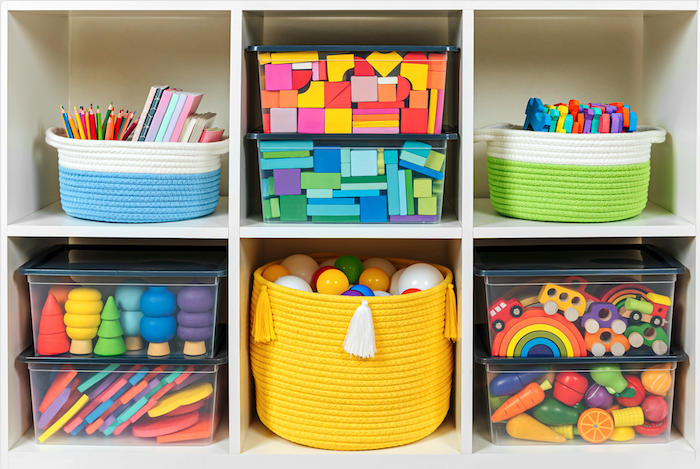
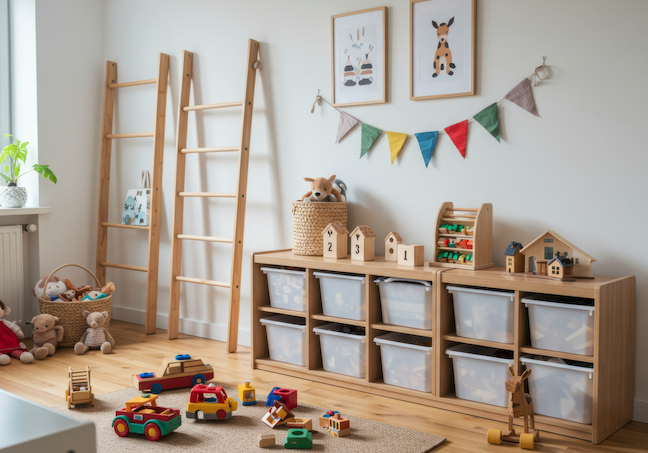
Storage solutions are the backbone of a well-organised playroom. However, it's essential to choose options that not only serve a functional purpose but also add an element of joy to the space. Consider colorful bins, baskets, and boxes that are visually appealing and easy for children to use. Clear containers are particularly useful as they allow kids to see what’s inside, making it easier for them to find and put away their toys. The Ikea trofast unit is the perfect solution to this. With multiple bins in all colours and size options you can mix and match to suit your needs. You can add them together and stack them too (providing they are secured safely together).
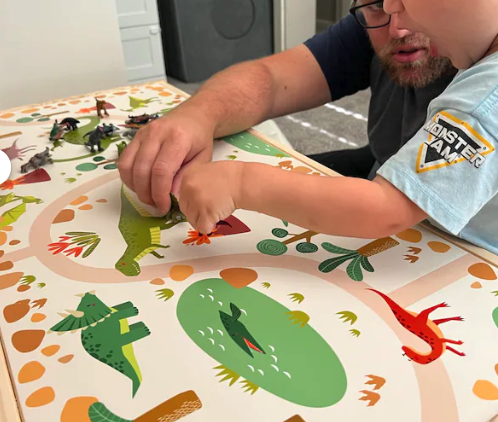
Make this storage work even harder by adding a play space to the plain top. Not only is the playroom storage furniture functional but it becomes inspiring too. At Eliza Doodle Designs we specialise in creating sticker inserts that specifically fit Ikea toy storage furniture to enhance and upgrade an otherwise functional design. With many styles to choose from you are bound to find something to spark creativity in your children. From dinosaurs, ocean scenes, magical forests, race tracks and towns, we have all imaginative play covered here.
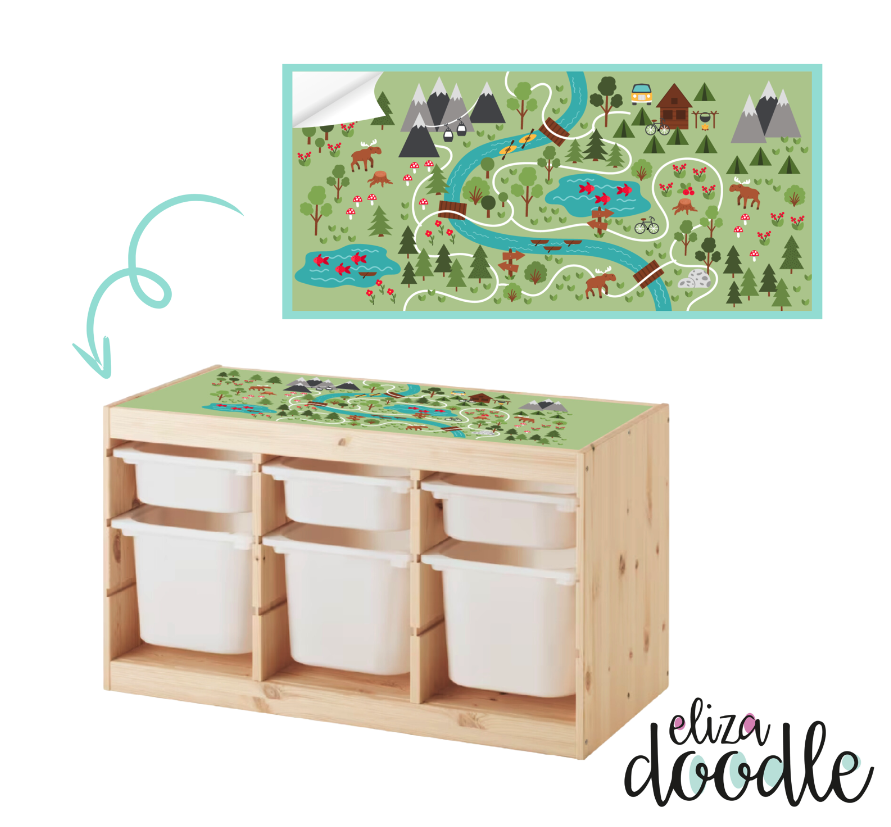
Incorporate storage solutions that cater to different types of toys and activities. For instance, use bookshelves for books and puzzles, open bins for larger toys, and smaller containers for art supplies and building blocks. Label each storage unit clearly, either with words or pictures, to help children identify where things belong. This not only keeps the playroom organised but also fosters a sense of independence as kids learn to manage their own belongings.
Don’t forget to utilise vertical space. Wall-mounted shelves, pegboards, and hanging organisers can significantly increase storage capacity without taking up floor space. These solutions are perfect for keeping frequently used items within reach while maintaining a clutter-free environment.
Genius Tip 3: Create Zones for Different Activities
Creating designated zones within the playroom can significantly enhance organisation and functionality. Start by identifying the different types of activities your children engage in, such as reading, arts and crafts, building, and imaginative play. Once you have a clear understanding of their interests, allocate specific areas for each activity.
For example, set up a cozy reading nook with a comfortable chair or bean bag, a small bookshelf, and good lighting. This dedicated space encourages a love for reading and provides a quiet area for relaxation. Similarly, create an art station with a child-sized table, accessible art supplies, and easy-to-clean surfaces. This allows children to unleash their creativity without worrying about making a mess.
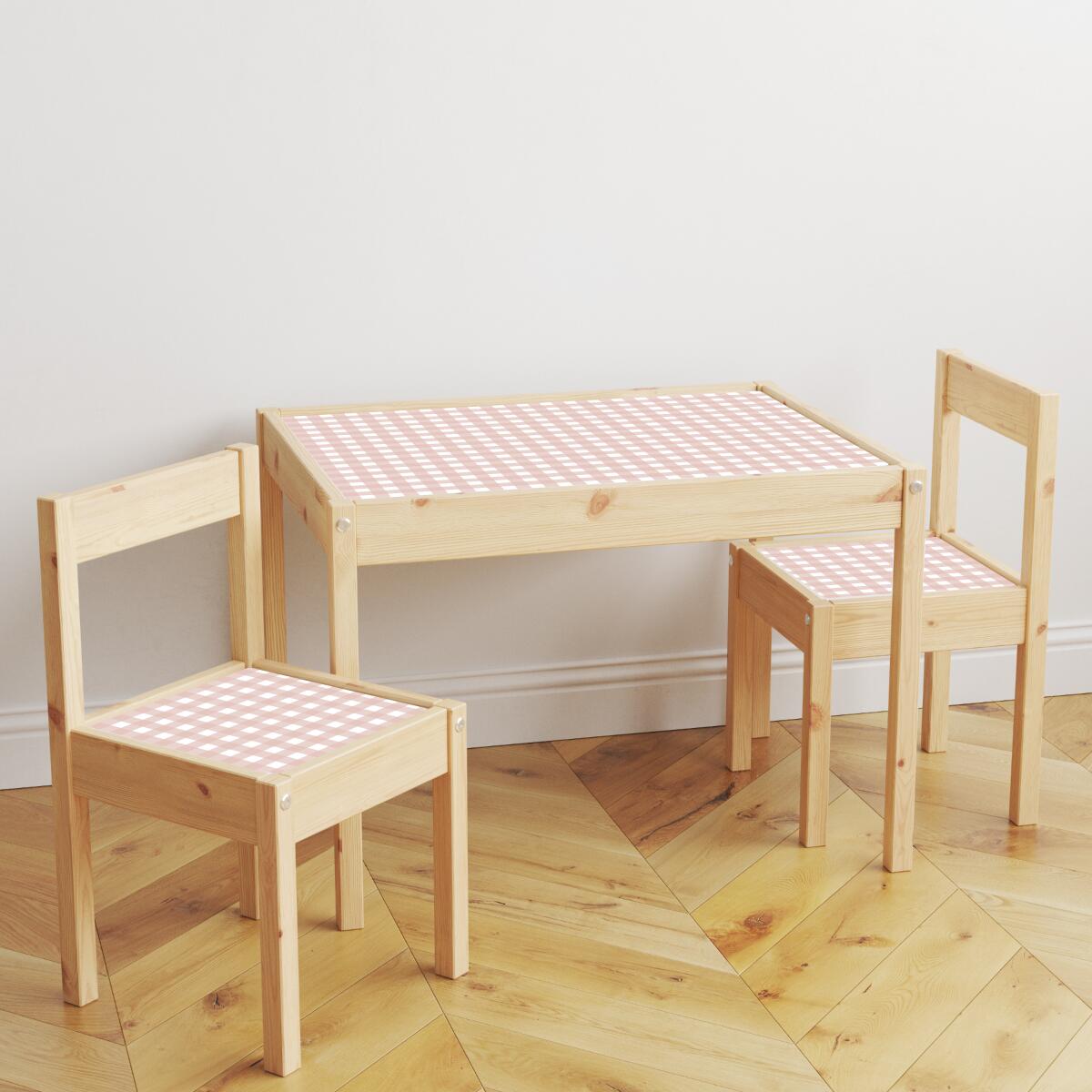
Incorporate a building zone with a large mat or rug where kids can spread out their construction sets. This not only contains the mess but also provides a defined space for building and imaginative play. By creating distinct zones, you help your children understand the purpose of each area and make it easier for them to transition between activities. This structured environment fosters creativity and keeps the playroom organised.
Genius Tip 4: Label Everything for Easy Access
Labelling is a simple yet highly effective strategy for maintaining an organised playroom. Clear labels help children understand where each item belongs, making it easier for them to find and put away their toys. Use labels that are appropriate for your children's age and reading level. For younger kids, consider using picture labels alongside words to aid in recognition.
At Eliza Doodle Designs we assist with the labelling of toy drawers and tubs. We offer a range of pre printed storage tub stickers that covers all aspects of toy organisation, simply store the toys, arts and crafts and stick labels on to stay organised!
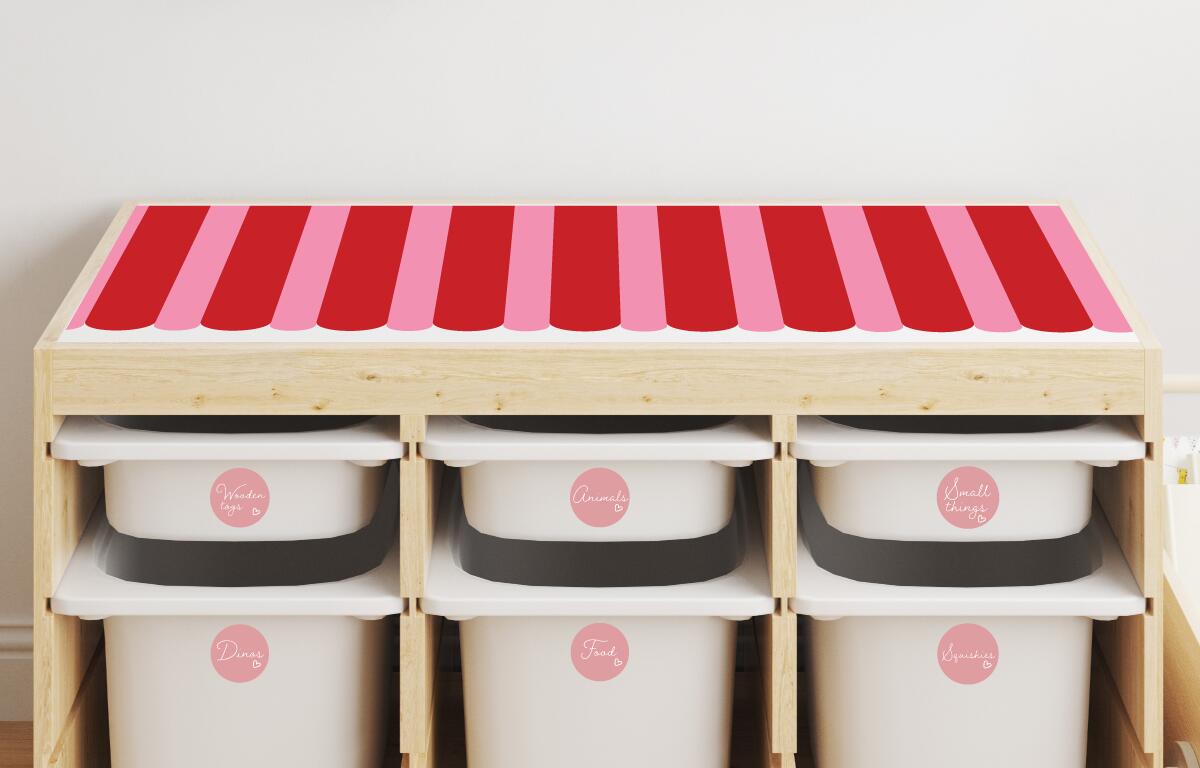
Invest in a label maker or use adhesive labels that can be easily attached to bins, baskets, and shelves. Ensure that the labels are legible and consistent in appearance. You can also involve your children in the labelling process, making it a fun and educational activity. This not only helps them learn about organisation but also gives them a sense of ownership and responsibility for the playroom.
Genius Tip 5: Involve Your Kids in the Organisation Process
Involving your children in the organisation process is crucial for maintaining an orderly playroom. When kids are part of the decision-making, they are more likely to take ownership of the space and adhere to the organisational system. Start by explaining the importance of organisation and how it can enhance their playtime experience.
Encourage your children to help with sorting and categorising their toys. Let them decide which items they want to keep and which ones they are ready to let go of. This not only teaches them valuable decision-making skills but also helps them develop a sense of responsibility for their belongings. Make the process fun by turning it into a game or setting up a reward system for maintaining an organised playroom.
As you implement storage solutions and labels, involve your children in choosing the containers and creating the labels. This hands-on approach makes them more familiar with the organisational system and more likely to use it consistently. By involving your kids in the organisation process, you foster a sense of independence and pride in their space, making it easier to maintain an orderly and creative playroom.
Genius Tip 6: Rotate Toys to Keep Playtime Exciting
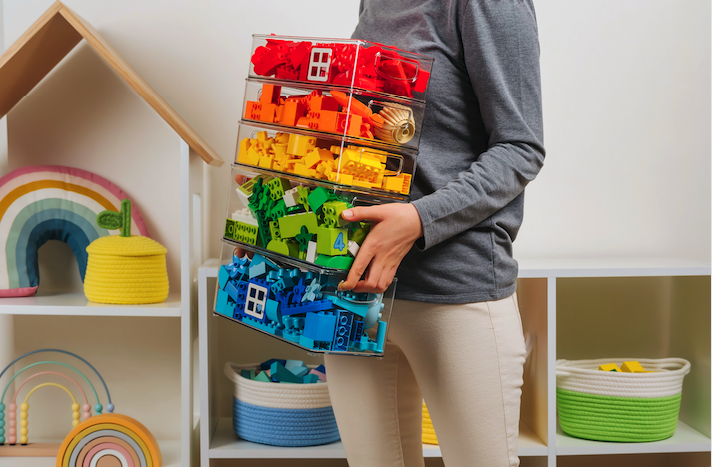
Toy rotation is a brilliant strategy to keep playtime fresh and exciting while maintaining an organised playroom. Instead of overwhelming your children with all their toys at once, create a system where only a portion of the toys are available at any given time. This not only reduces clutter but also makes playtime more engaging as kids look forward to discovering "new" toys.
Start by dividing the toys into several groups based on categories such as building sets, imaginative play items, and art supplies. Store each group in separate bins or boxes that can be easily accessed when it's time to rotate. Aim to rotate the toys every few weeks or once a month, depending on your child's interest and engagement with the current selection.
When it's time to rotate, involve your children in the process. Let them help you choose which toys to put away and which ones to bring out. This adds an element of excitement and anticipation to the rotation. By regularly rotating toys, you keep the playroom organised and ensure that your children remain engaged and stimulated by their playthings.
Genius Tip 7: Incorporate Multi-Functional Furniture
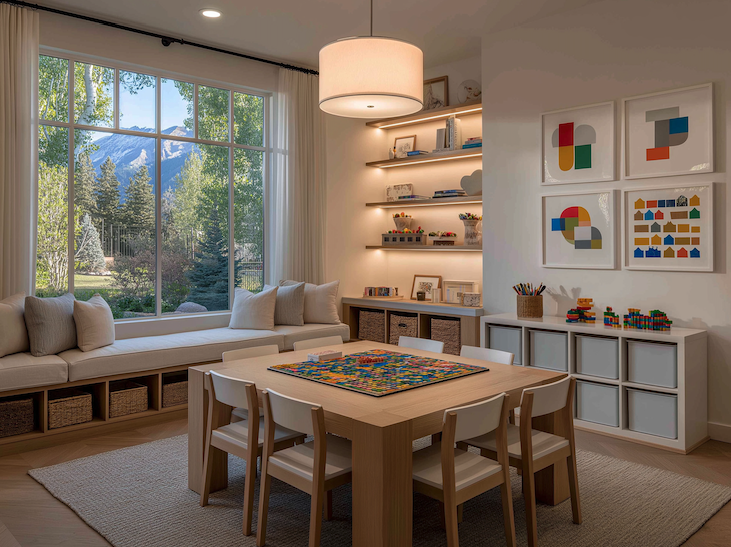
Multi-functional furniture is a game-changer when it comes to organising a playroom. These versatile pieces not only save space but also provide additional storage and functionality. Look for furniture that serves multiple purposes, such as a storage bench that doubles as seating or a table with built-in storage compartments.
Consider investing in modular furniture that can be easily rearranged to suit different activities and needs. For example, a modular shelving unit can be used to store toys, books, and art supplies, and can be reconfigured as your children's interests and storage needs change. This flexibility allows you to adapt the playroom to your family's evolving requirements.
Another great option is furniture with hidden storage, such as ottomans with lift-up lids or beds with built-in drawers. These pieces provide ample storage space for toys and other items while maintaining a clean and clutter-free appearance. By incorporating multi-functional furniture, you can maximise the playroom's potential and create a space that is both organised and adaptable.
Conclusion: Embracing Creativity Through Organisation
An organised playroom is not just about tidiness; it is about creating an environment that nurtures creativity and imagination. By implementing these genius tips, you can transform a chaotic playroom into a well-ordered space that inspires your children to explore, learn, and grow. From regular decluttering and clever storage solutions to creating activity zones and involving your kids in the process, each strategy plays a vital role in maintaining order and fostering independence.
Remember that organisation is an ongoing process, and it requires consistency and effort. However, the rewards are well worth it. A well-organised playroom reduces stress, enhances playtime, and teaches valuable life skills. It becomes a place where your children can unleash their creativity and enjoy their favourite activities in a structured and inviting environment.
So, take the first step towards transforming your playroom today. Embrace the joy of organisation and watch as your children thrive in their newly organised space. Say goodbye to clutter and chaos, and hello to a vibrant oasis of creativity and fun!